why natural dyes?
In a world increasingly separated from nature and community, fast fashion has become a symptom of deeper disconnection. Our wardrobes are overflowing with cheap, mass produced, and often synthetic clothing. This cheap, rapid production has led to the textile industry as a significant source of greenhouse gas emissions, between 8-10% of global carbon emissions, more than aviation and shipping industries. And clothing sales could increase by 65% by 2030, leading to increased carbon emissions, water pollution, and textile trash. Meanwhile, as we buy and buy, depression and social disconnection are increasing.
Working with natural dyes is the antithesis of fast fashion. This process asks us to slow down and strengthen our connections - to the plants and dyes being used, to the places where they come from, to the textiles and fabrics being dyed, to the rich histories of this practice over millennia. This practices asks us to give deeper thought to where we are putting our time and efforts, to where things come from and how they are made, and to the stories of those that have come before us.
For me, natural dyes spark a sense of wonder and amazement in our natural world, a sense of awe that I am continually trying to cultivate as acts of resistance, preservation, and healing. It allows me to consider how I can make, remake, mend, or re-envision clothing to make pieces that last, that are unique, and that aren't always perfect but carry stories and memories with them.
Green Eyes Dye Studio offers an opportunity to feel the difference this shift in perspective can make - for ourselves, our communities, and the planet. Natural dyes are more than just a more ecologically-friendly option for textiles, they allow us to deepen our connections to plants and the natural world, to community and those I create and learn alongside, to artisans and culture-bearers who share this practice, and to our sense of wonder and awe in the world.
All pieces are made using natural, ecologically friendly, and sustainable fabrics. Whenever possible, I use organic unbleached cotton which uses less harmful chemicals less water in production. Many of our blank item (pieces before dyeing) are purchased from Green Tailor, who has a focus on close work with farmers and artisans, organic practices, and handwoven pieces.
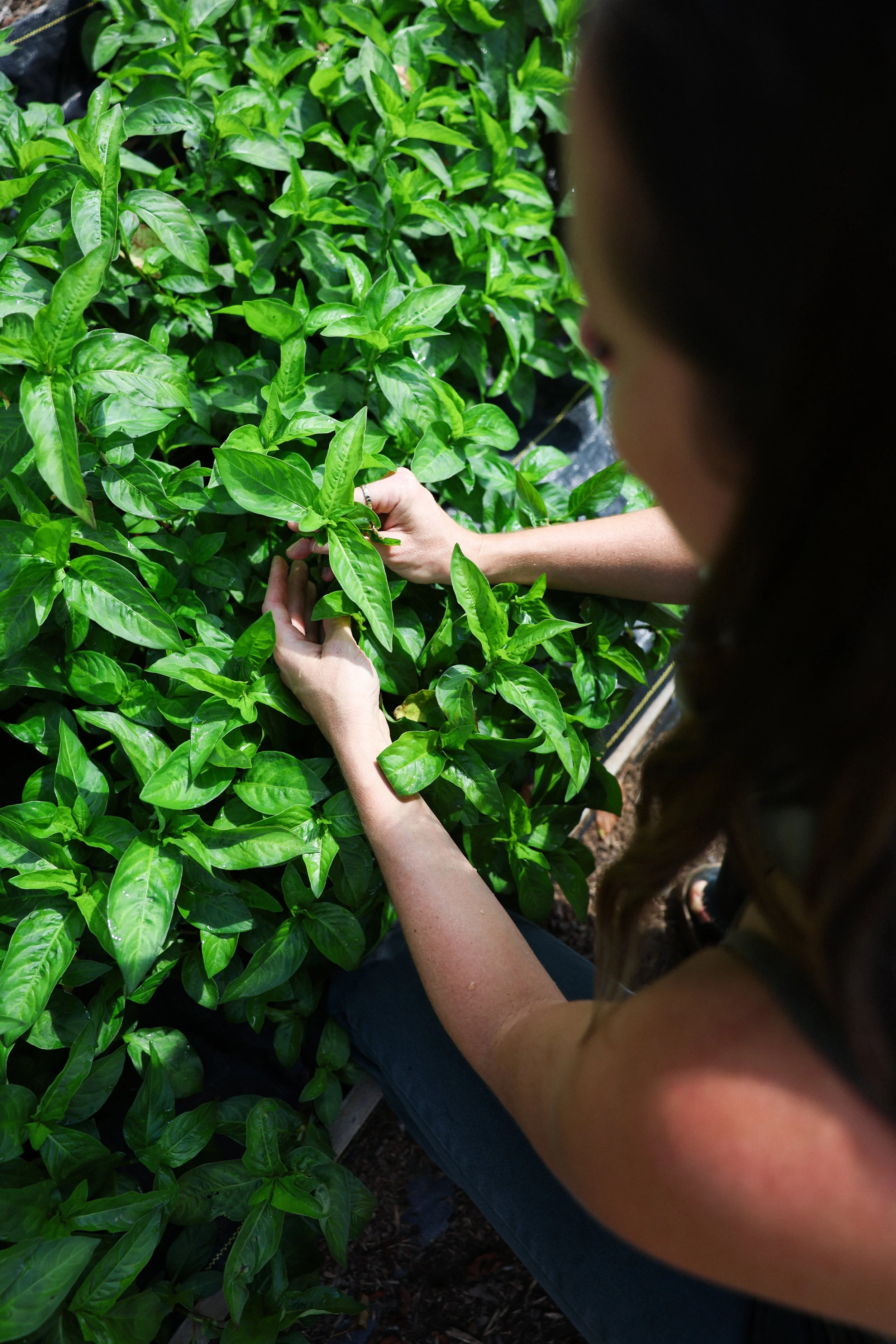
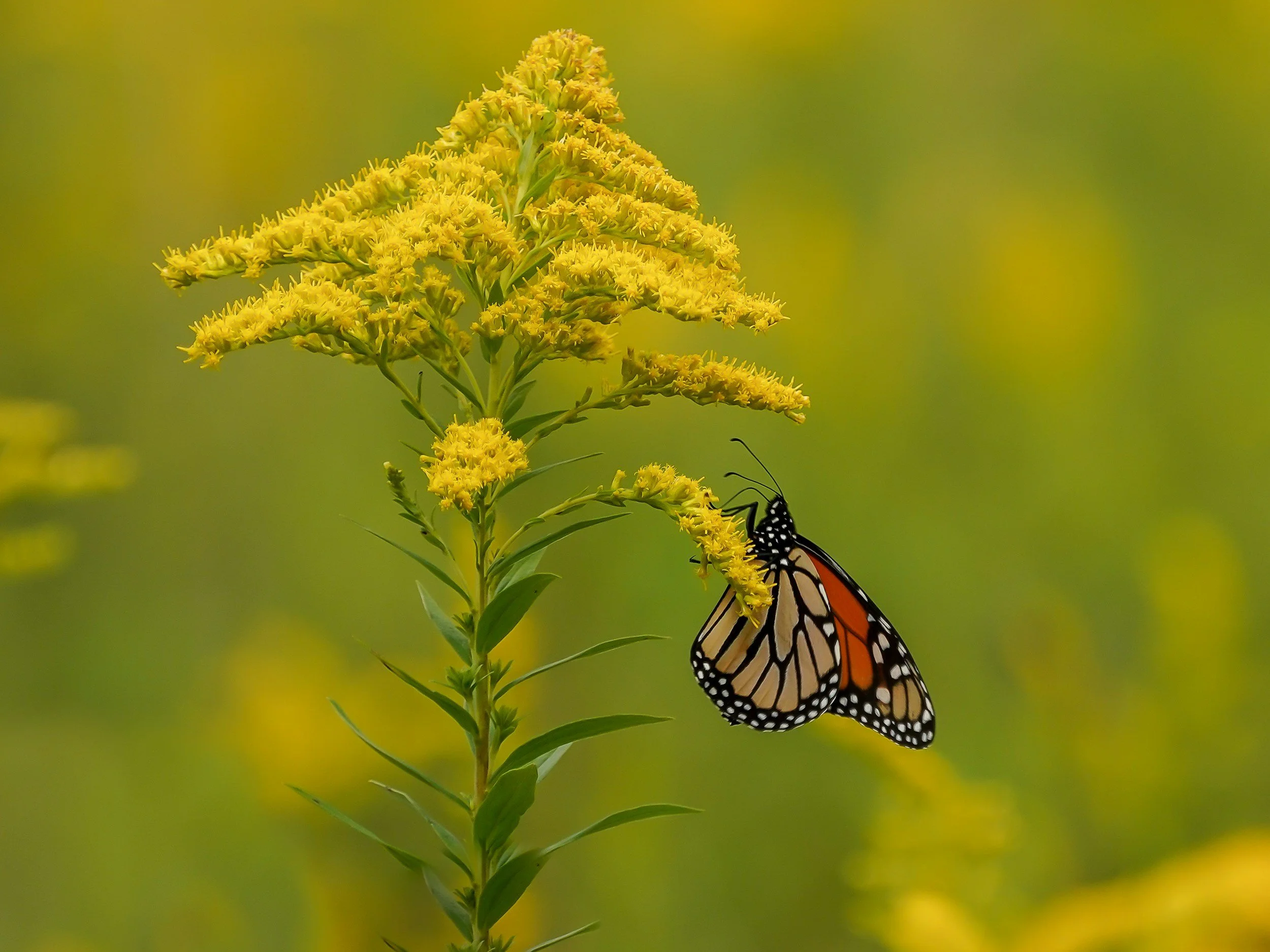
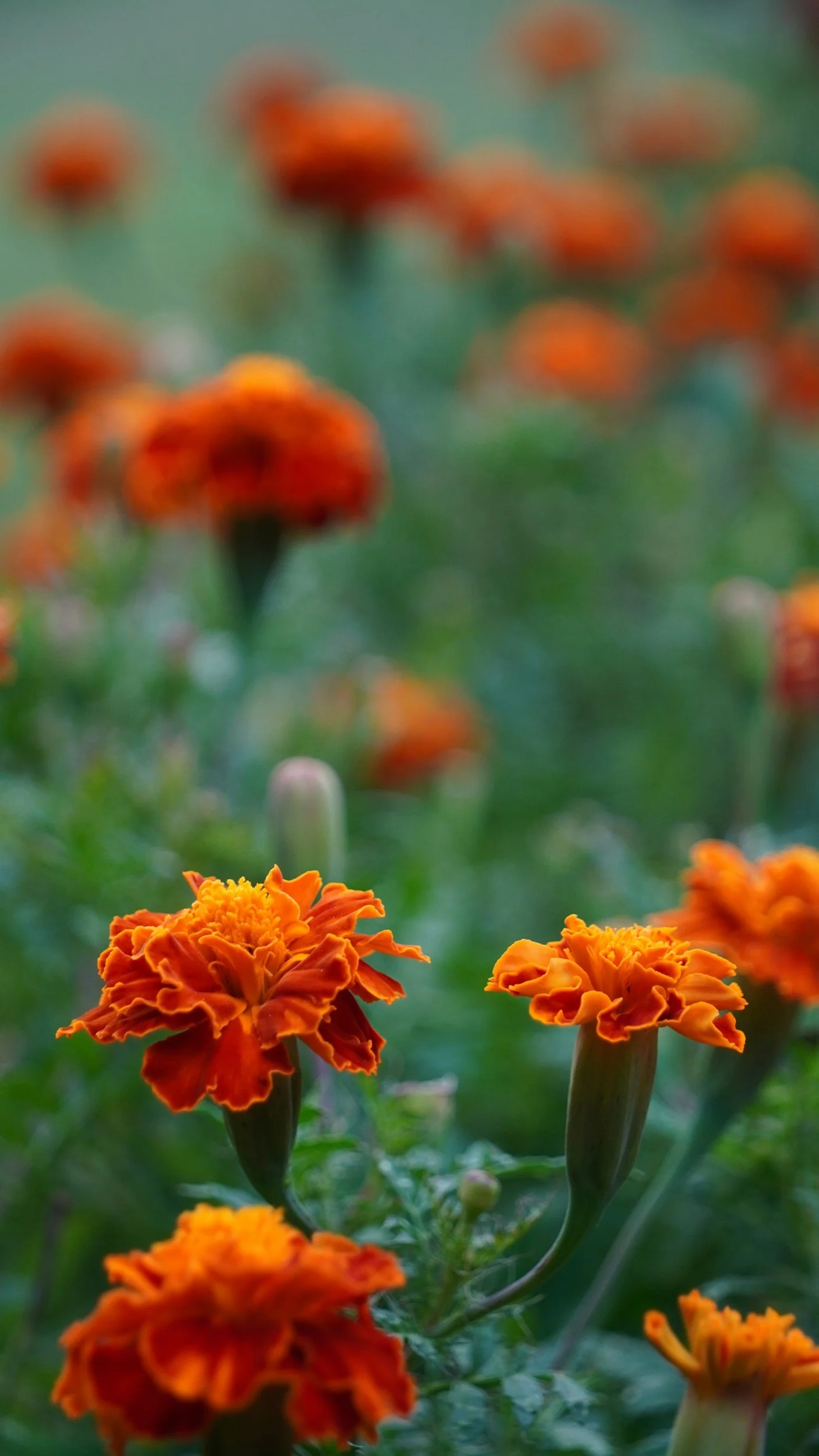
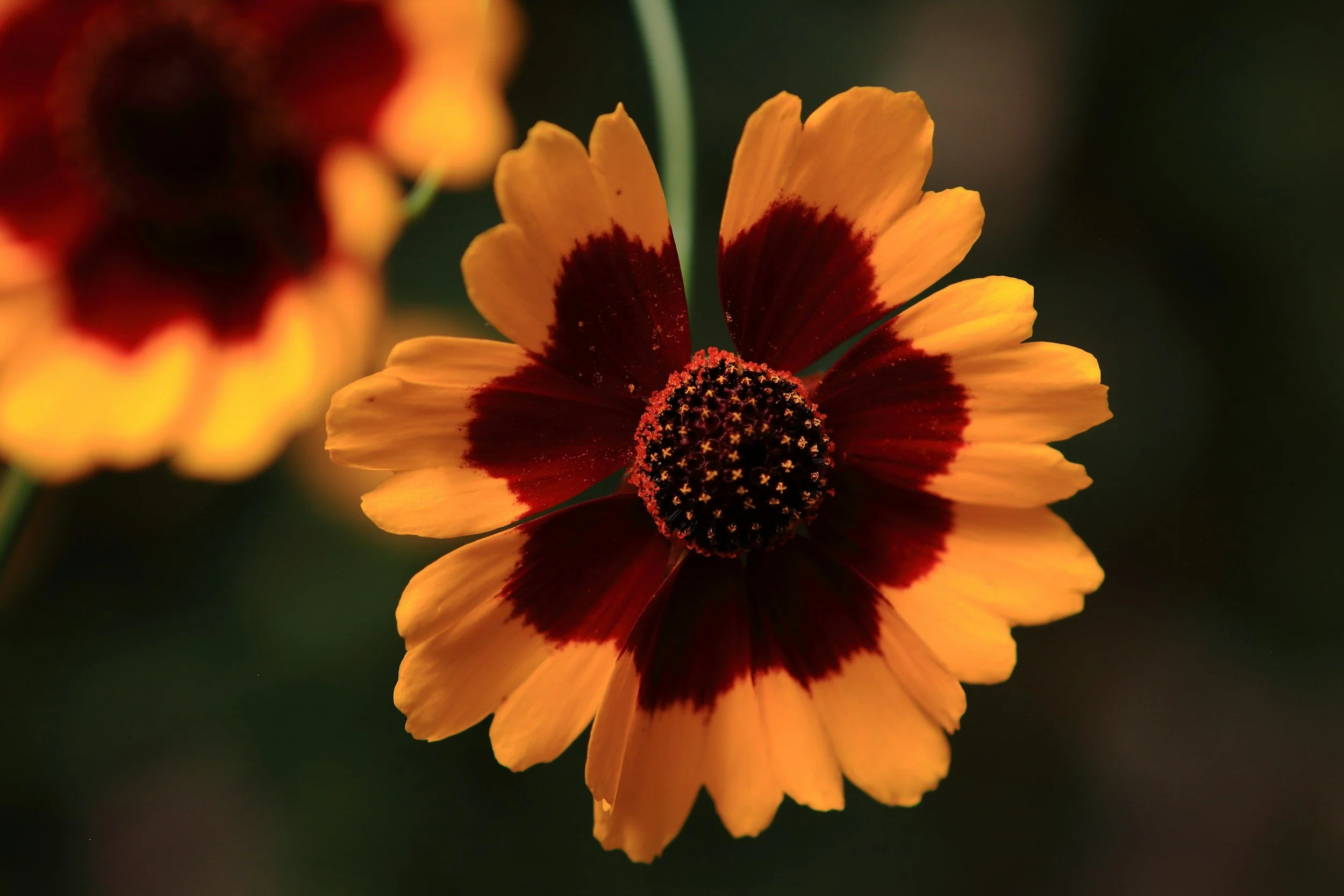
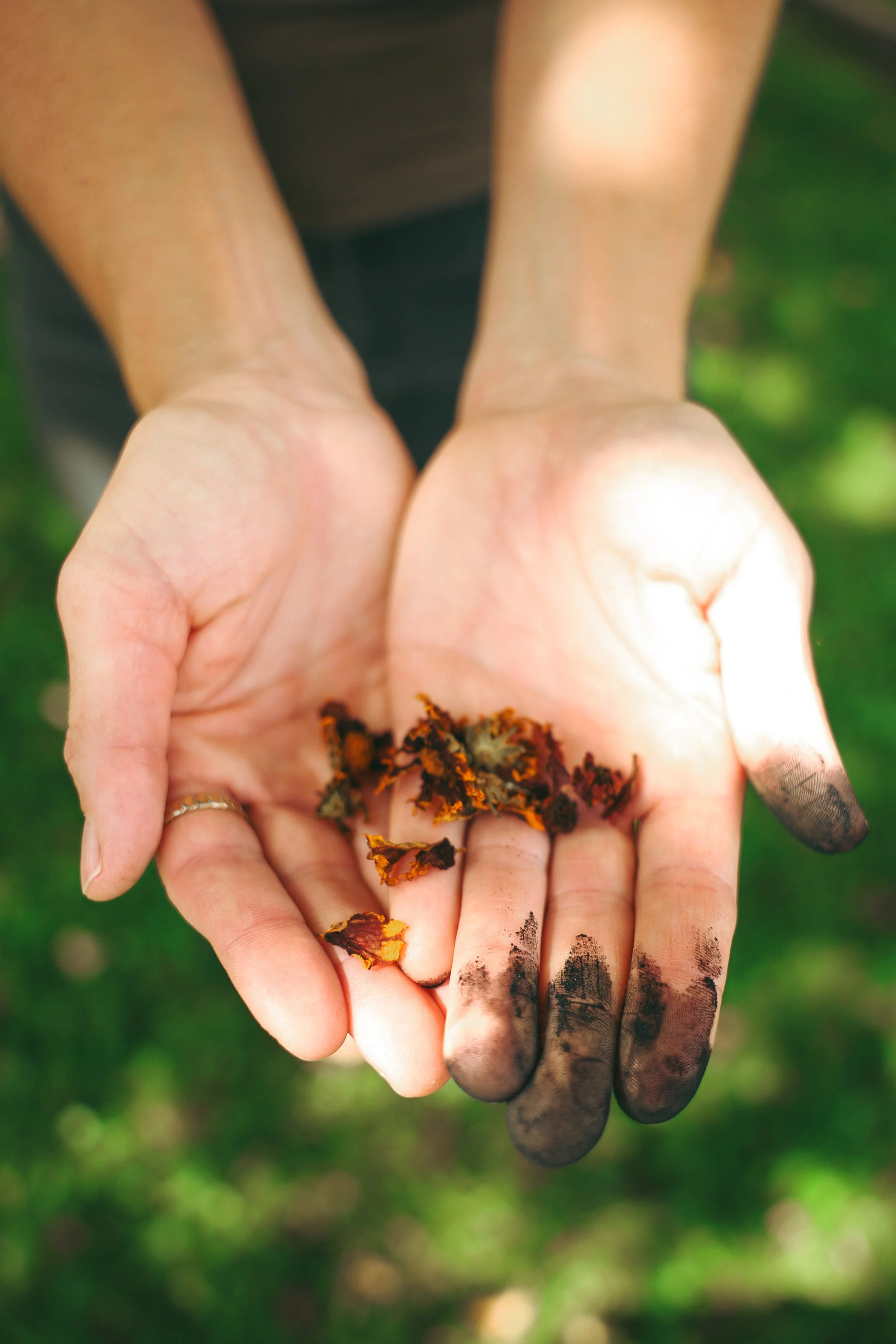
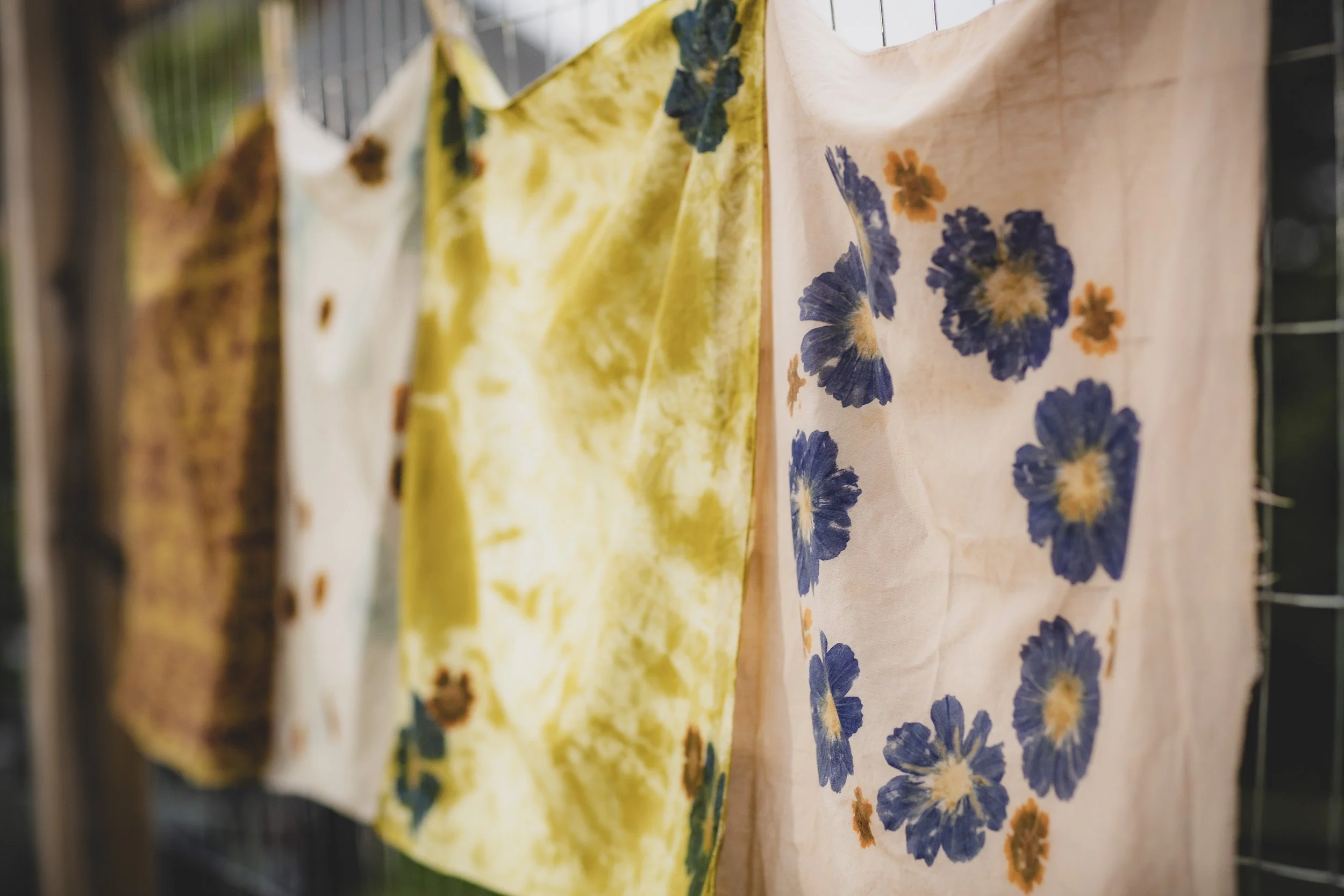
Many of our dyes are also homegrown in our organic garden (coreopsis, marigold, cosmos, indigo, etc.) or responsibly foraged from Western North Carolina (goldenrod, oak, black walnut, etc.). This connection to place is an important ethos for Green Eyes. I work with the seasons and make space to connect and get to know the plants I work with from seed to dye.